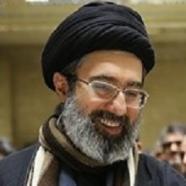
Iran’s newly appointed supreme leader, Mojtaba Hosseini Khamenei, has signaled a firm continuation of Tehran’s hardline stance, declaring that the strategically vital Strait of Hormuz should remain closed as tensions escalate in the Middle East. In remarks carried by Iranian state media, Khamenei indicated that the waterway — through which a large portion of the world’s oil shipments pass — would be used as leverage against the United States and its regional allies.
Khamenei’s comments mark his first major policy statement since succeeding his father, Ali Khamenei, as Iran’s supreme leader. The new leader emphasized that Iran would not yield to foreign pressure and warned that military bases belonging to the United States in the region could become targets if the confrontation deepens. Iranian officials framed the position as part of a broader strategy to counter what they describe as Western and Israeli aggression.
The statement comes amid growing instability in Gulf waters, where shipping companies and maritime security firms have reported attacks on several vessels in recent days. The incidents have heightened fears that conflict could disrupt commercial traffic through the Persian Gulf, one of the world’s most critical routes for global energy supplies.
Israel reacted sharply to the remarks. Prime Minister Benjamin Netanyahu warned that Israel would respond forcefully to any Iranian attempt to threaten regional stability or global shipping lanes. His comments suggested that Israel could expand its military response if Iran continues actions that endanger international trade routes.
The escalating rhetoric has already rattled global markets, with oil prices rising sharply on fears that prolonged disruption in the Strait of Hormuz could choke off a significant share of the world’s energy supply. Analysts warn that continued confrontation between Iran, Israel and Western powers could push the region toward a wider conflict with far-reaching economic consequences.
Skynews Video coverage of Gampola devastation.
Skynews Video coverage of Gampola devastation.
Skynews Video coverage of Gampola devastation.
Skynews Video coverage of Gampola devastation.
Add Your Heading Text Here
Add Your Heading Text Here
Sri Lanka's President Anura Kumara Dissanayake well received in India says state media
Thousands brave the pouring rain to pay respects to the fallen heroes who sacrificed their lives for the liberation of the Tamil homeland.